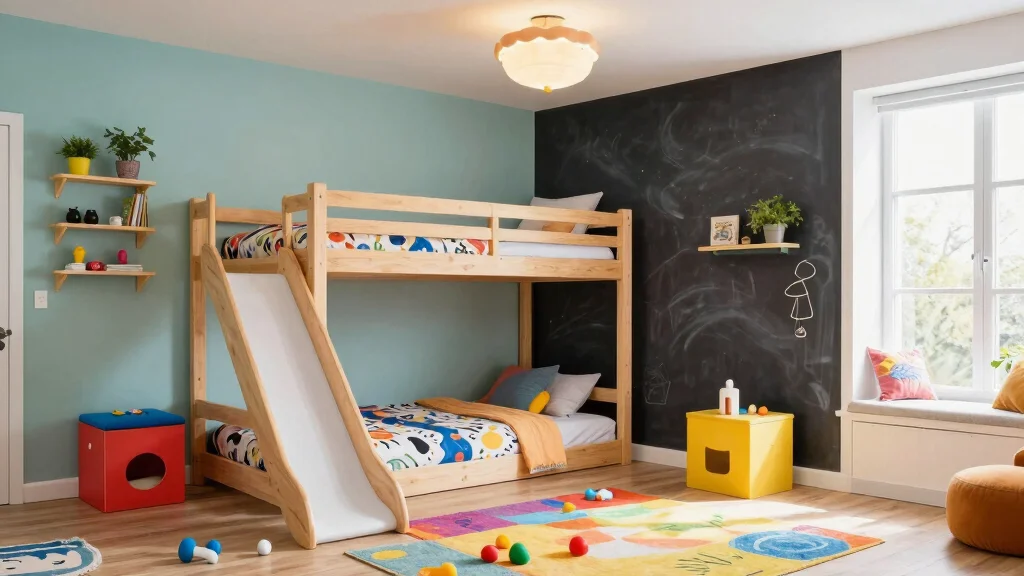
Every parent wants to create a bedroom that reflects their child’s personality while also being practical and adaptable. It’s a challenge, especially when dealing with the ever-changing tastes of small kids. This post is inspired by the need for effective solutions that can grow alongside your child’s development. It’s not just about making a room look cute; it’s about creating a space that remains functional and enjoyable for years to come.
If you’re a parent, guardian, or anyone involved in designing a child’s space, this one is for you. You care about creating a cozy haven where your little one can sleep, play, and grow. You want a room that not only meets their current needs but also adapts as they change. With these 10 small kids bedroom ideas, you’ll discover how to blend style and versatility seamlessly.
In this guide, you’ll find practical ideas that are stylish, functional, and perfect for evolving tastes. From themed rooms that can evolve with time to clever storage solutions that keep things tidy, these suggestions will help you design a space that your child will love now and for years to come. Let’s jump into these exciting concepts that will inspire you to create a bedroom that grows with your little one!
Key Takeaways
– Themed Rooms That Evolve: Choose themes that can easily transition as interests change, like a nature theme that can shift from animals to adventure over time.
– Multi-Functional Furniture: Invest in furniture pieces that serve multiple purposes, such as beds with storage drawers or desks that can double as play tables.
– Space-Saving Solutions: Use vertical space with shelves and wall-mounted organizers to maximize your room’s functionality without sacrificing style.
– Timeless Color Palettes: Opt for neutral or muted tones as a base, allowing for colorful accents that can be easily updated as your child grows.
– Personalized Decor Touches: Include personal elements like name signs or photo boards that can be changed to reflect your child’s evolving personality and interests.
1. Themed Rooms That Evolve
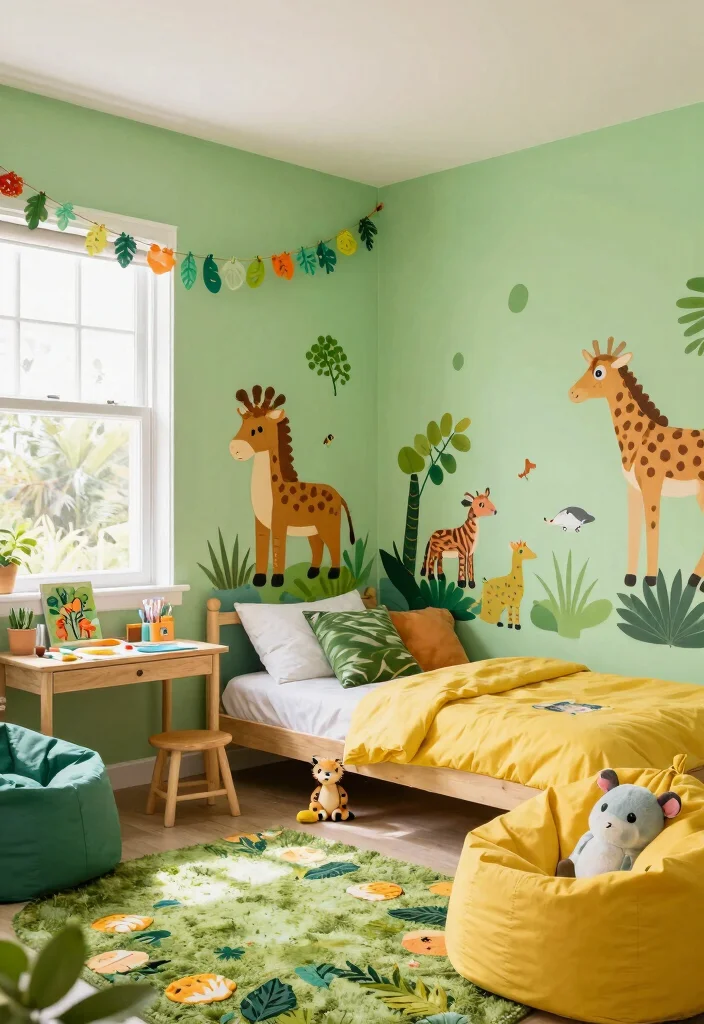
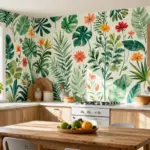
Embracing themed rooms can truly spark your child’s imagination, letting them dive into the worlds of their favorite stories or characters. This approach works wonders because it creates an environment that reflects their interests while being adaptable as they grow. For example, using removable wall decals featuring jungles or outer space can set the tone today and be easily replaced later with something new and exciting.
To ensure longevity in your child’s room, invest in key pieces that can evolve alongside them, such as bedding that can be swapped out when tastes change. A starry night theme can transition into a more sophisticated celestial decor with minimal effort, allowing for a space that feels personal and fresh.
Here are some key tips to consider:
– Select a neutral base color for walls or larger furniture, allowing flexibility in themes.
– Accessorize with themed items that can be easily changed, like pillows or artwork.
– Use storage solutions that reflect the theme without being too niche, so they can adapt to new interests over time.
– Create a mood board to visualize how themes can transition, making the process fun and collaborative with your child.
This approach ensures your child’s room remains vibrant and relevant as they grow, while textures and materials add depth and warmth to the overall design.
Small kids bedroom ideas don’t have to be permanent—start with themed rooms that grow with them. Let walls tell stories with removable decals, then swap in new scenes as interests change. With a little planning, your space stays inspiring year after year.
Themed Rooms That Evolve
Editor’s Choice




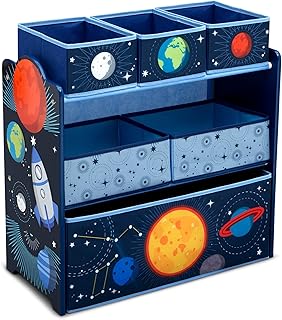

How To Choose Adaptable Decor for Kids
When designing a small kids’ bedroom, selecting adaptable decor is crucial. You want pieces that grow with your child, allowing for changes in taste and functionality over time. Here are some key aspects to consider when choosing decor that can transition through the years.
1. Size Matters
Consider the room’s dimensions and layout. Measure your available space carefully to ensure that the furniture and decor fit comfortably. A good rule of thumb is to leave at least 2-3 feet of walking space around furniture. This will help your child play and move freely as they grow.
2. Multi-Functional Features
Look for furniture that serves multiple purposes. For instance, a bed with built-in drawers can double as storage, while a desk can also be used as a craft table. This not only saves space but also allows you to maximize functionality. Consider items like a fold-out desk or a sofa bed for sleepovers.
3. Timeless Styles
Opt for decor that won’t go out of style quickly. Classic designs in neutral colors or patterns can easily adapt to different themes as your child grows. For example, a simple, solid-colored bedspread can be accessorized with themed pillows or wall art that can change from dinosaurs to space rockets as your child matures.
4. Personalized Touches
Incorporate elements that reflect your child’s personality. This could be through custom wall art, a favorite color scheme, or unique decor pieces like a name banner. Personalization can make the space feel special while still being easy to update as interests change.
5. Storage Solutions
Select smart storage solutions that can adapt with your child’s needs. Invest in bins, bookshelves, and under-bed storage that can hold toys now and school supplies later. Look for storage that is easy for kids to access, encouraging them to organize their space while keeping it clutter-free.
6. Playful Lighting Options
Choose lighting that is both fun and functional. A bedside lamp with adjustable brightness can serve as a nightlight now and a reading light later. Consider adding string lights or fun-shaped lamps that can transition from playful designs to more mature options as your child grows.
Pro Tip: Always involve your child in the decor selection process! This helps ensure that they feel ownership of their space and are more likely to keep it tidy and cherished over the years. Let them pick a few items that resonate with them, but guide them toward versatile choices that will last through different stages of childhood.
With careful consideration of these factors, you can create a small kids’ bedroom that remains functional and stylish as your child grows. Focus on versatility, personalization, and space-saving solutions to make the most of the available area. By choosing adaptable decor today, you set the foundation for a space your child will love for years to come.
2. Multi-Functional Furniture
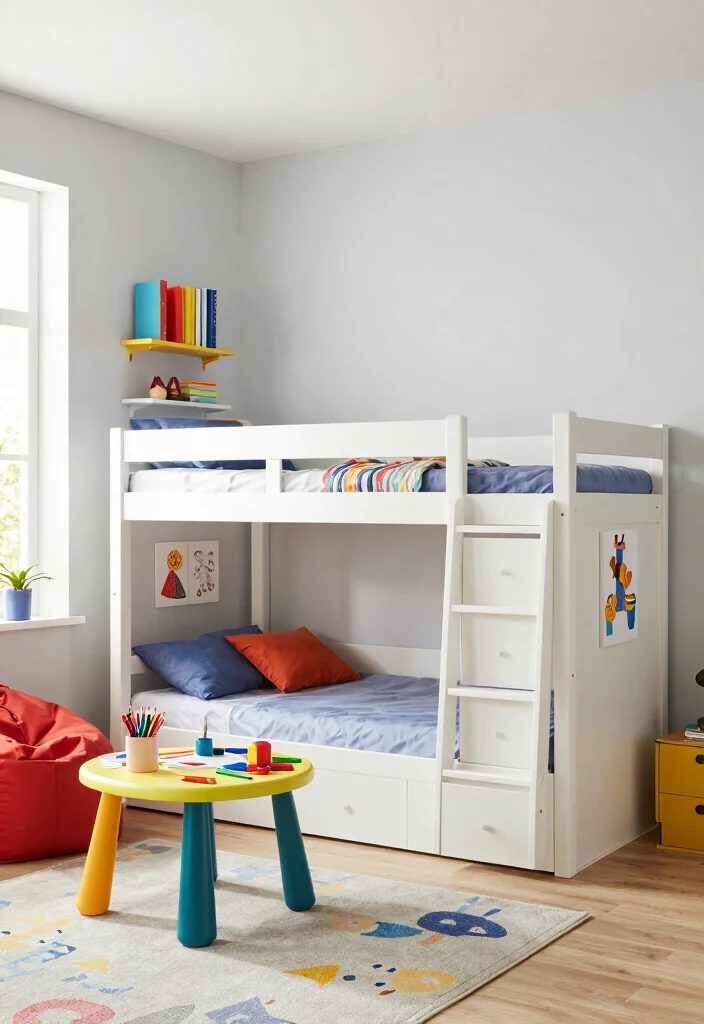
Integrating multi-functional furniture can revolutionize small kids’ bedrooms. Look for beds that feature built-in storage or desks that can double as play areas. These versatile pieces not only maximize space but also enhance the functionality of the room. Stylish ottomans can serve as extra seating or hideaway storage for toys, while a foldable desk adapts easily for homework and crafts.
Consider a bunk bed for siblings that includes shelves for books, helping to keep the room organized and clutter-free. This way, every piece serves a purpose, making the most of your available space.
Here are practical suggestions:
– Opt for a bed with a trundle for sleepovers, which can be stored away easily.
– Use a combination bookshelf and toy organizer for a neat and tidy room.
– Find a desk that adjusts in height as your child grows, making it a long-term investment.
– Consider a play table with built-in storage to keep craft supplies within easy reach but out of sight when not in use.
This design philosophy provides a functional yet stylish environment, ensuring your child’s space is both playful and practical.
Did you know multi-functional furniture can free up 50% of floor space in a small kids’ bedroom? Choose beds with built-in storage and desks that double as play surfaces; ottomans can hide toys too. Start small: pick one versatile piece this week.
3. Space-Saving Solutions
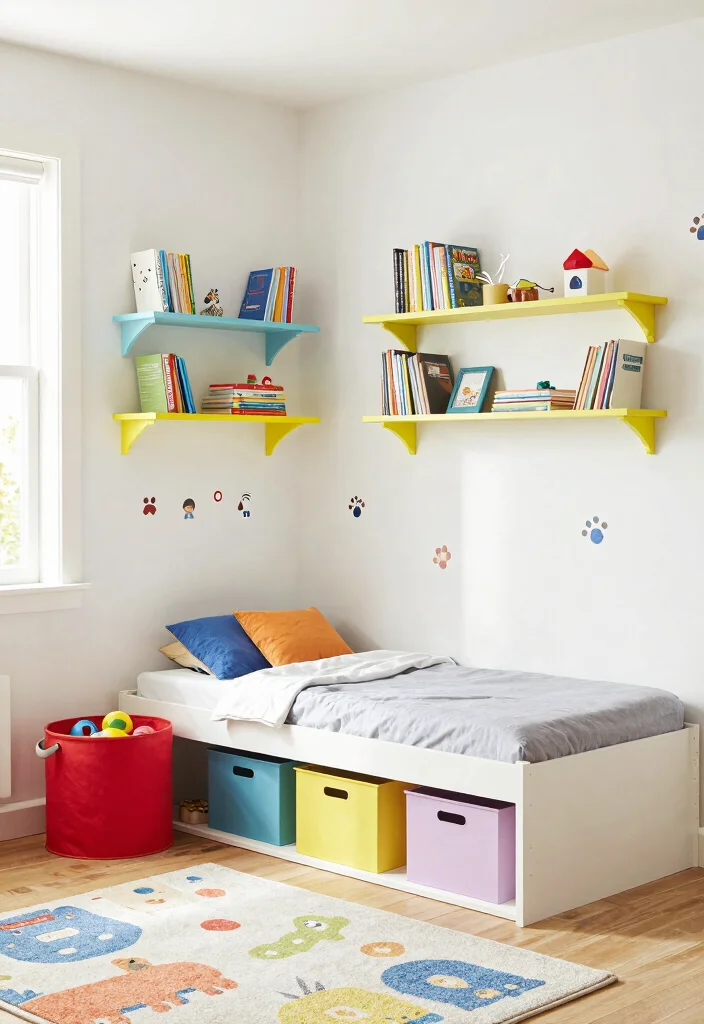
In small bedrooms, space-saving storage solutions are vital. Utilize vertical space by installing wall shelves for books and decorative items. Under-bed storage bins are excellent for tucking away seasonal clothing or extra toys, helping to minimize clutter. Look for furniture with hidden storage options, such as beds with compartments or benches that open up for toy storage.
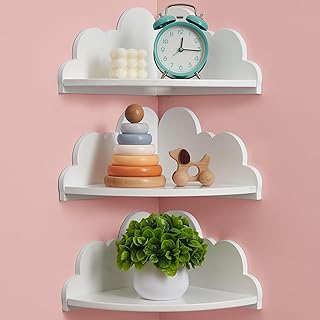
When organizing, make the most of every nook by retreating into corners with corner shelves, providing more surface area without consuming valuable floor space.
Here are some ideas for effective organization:
– Retreat into the corners with corner shelves for more surface area without taking up too much room.
– Invest in clear storage boxes to easily identify contents for faster clean-up.
– Use fabric bins on open shelving for a more polished look while keeping it functional.
– Incorporate storage solutions that can grow with the child, such as adjustable shelving heights.
These strategies will help you create a room that feels spacious and organized, while also allowing for growth and change in your child’s life.
Space-Saving Solutions
Editor’s Choice


4. Timeless Color Palettes
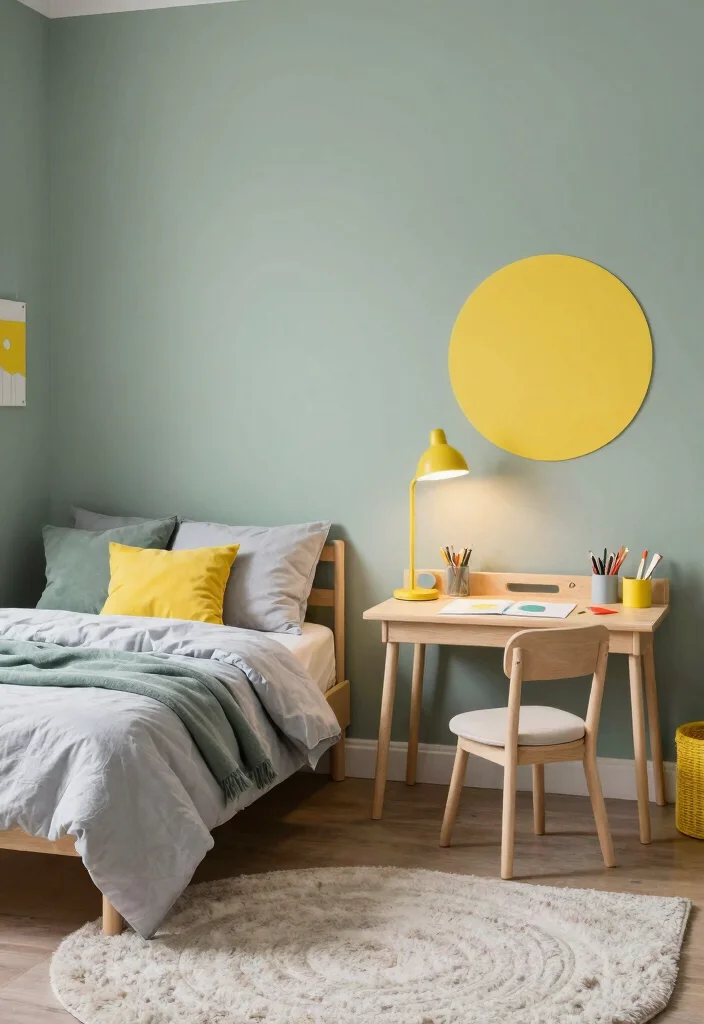
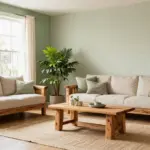
The choice of color significantly influences the mood of a child’s room. Opting for timeless color palettes allows the space to evolve with your child. Soft neutrals paired with vibrant accents create a flexible backdrop that adapts easily to various themes. Shades like muted greens, warm grays, or soft blues provide a calming atmosphere while allowing playful decor elements to shine through.
For selecting colors, keep these tips in mind:
– Use paint samples to test colors in different lighting; you’ll see how they can change throughout the day.
– Paint an accent wall for a burst of color while keeping the remaining walls neutral.
– Incorporate bold colors through accessories, which can be swapped out as your child’s tastes change.
– Consider color psychology; soft blues can create calm, while vibrant yellows stimulate creativity.
This thoughtful color strategy fosters a nurturing environment, where textures and materials enhance the overall design, creating a truly inviting space.
5. Personalized Decor Touches
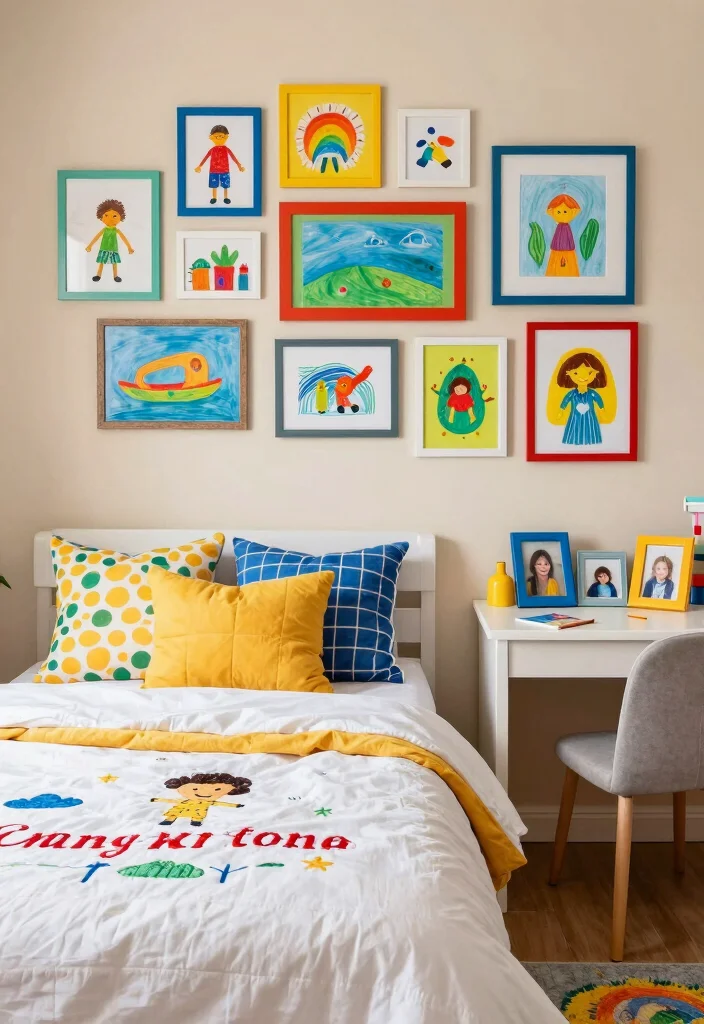
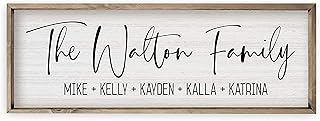
Nothing adds charm to a room quite like personalized decor touches. Incorporate your child’s name or initials through wall art, bedding, or custom stickers. Adding personal elements, such as family photos or their artwork, creates a unique space that resonates with their personality. Letting your child step in on the decor choices ensures their interests and hobbies are reflected in their surroundings.
Here are some ideas to personalize your child’s space:
– Create a gallery wall with their artwork, allowing them to showcase their creativity.
– Use custom-made throw blankets featuring their favorite characters or colors.
– Swap out pillowcases for ones that reflect their current interests.
– Allow room for future growth by incorporating neutral base pieces with vibrant accents they can change.
This personal touch not only makes the room feel special but also fosters a sense of ownership and belonging for your child.
Personalized Decor Touches
Editor’s Choice




6. Flexible Workspace
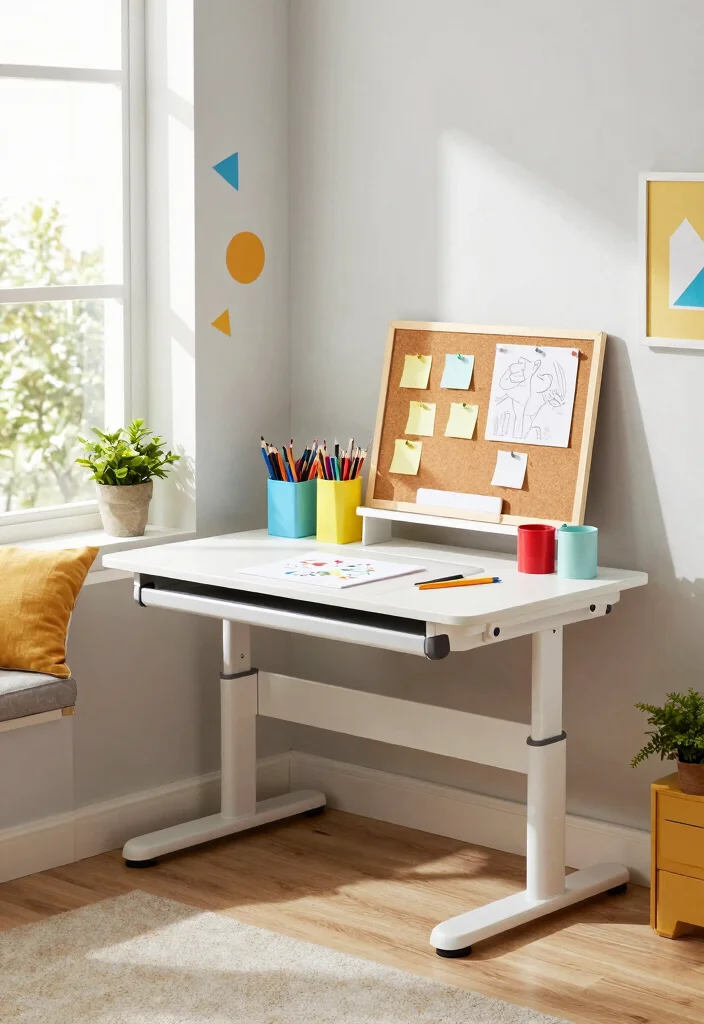
As children grow, establishing a flexible workspace becomes increasingly important. Designate an area for homework that can adapt for various activities, fostering creativity. A desk that transitions from study area to art station is ideal. Ensure there’s adequate lighting and a comfortable chair to promote productivity.
Here are key considerations for a functional workspace:
– Use a desk with adjustable height or a foldable design to cater to different age needs.
– Incorporate organization tools like pencil holders, art supply bins, and a corkboard for reminders.
– Create a comfy reading nook nearby that can also serve as a space to relax or daydream.
– Keep it clutter-free with smart storage solutions nearby to create an inviting workspace.
This thoughtful design encourages your child’s development, providing an adaptable area that grows with their evolving needs.
7. Playful Lighting Options
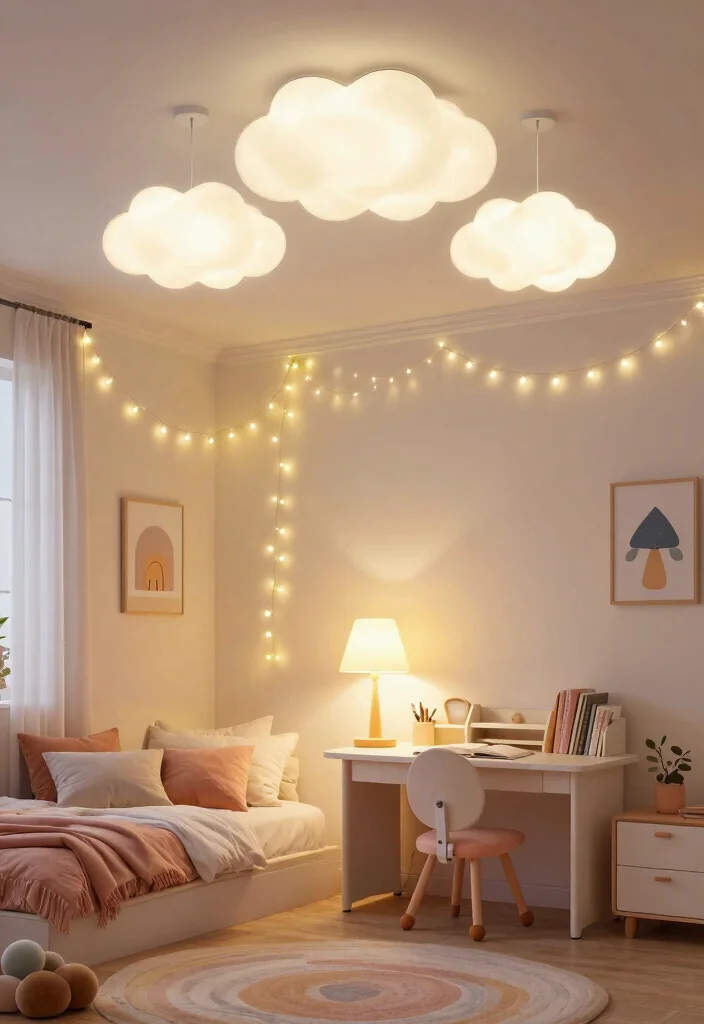
Lighting serves as a crucial element in children’s room design. Choose playful fixtures that not only illuminate but also complement the room’s theme. Consider whimsical ceiling lights shaped like clouds or fun table lamps to enhance the atmosphere. Adjustable fixtures allow for varying light levels, providing bright task lighting for homework and soft ambience for bedtime.
Here are some tips for selecting lighting:
– Layer lighting sources: combine overhead lights, bedside lamps, and fairy lights for versatility.
– Choose dimmable options for creating different moods throughout the day.
– Incorporate fun designs that match your child’s interests while maintaining functionality.
– Think about the placement of lights; make sure they’re accessible and safe for little hands.
This emphasis on lighting not only enhances the functionality of the space but also cultivates a magical, inviting environment for your child.
Playful Lighting Options
Editor’s Choice


8. Eco-Friendly Choices
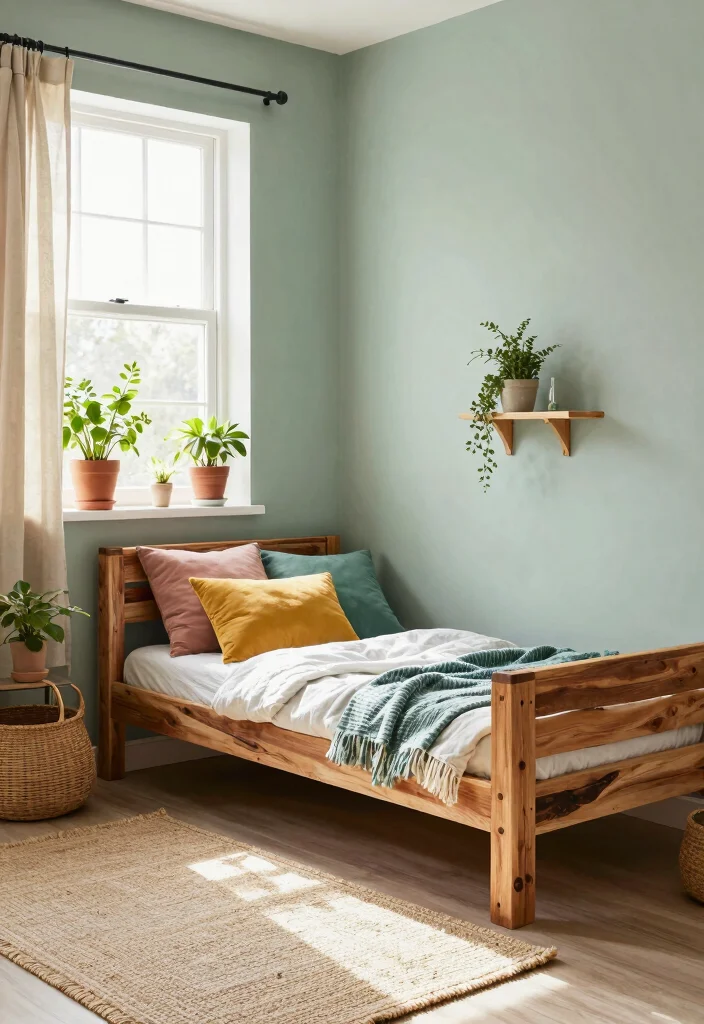
In today’s world, making eco-friendly choices in home decor is both stylish and essential. Opt for sustainably sourced materials for furniture and decor. Non-toxic paints and hypoallergenic textiles create a safe haven for your child. Incorporating plants into the design not only elevates style but also improves air quality, bringing a slice of nature indoors.
Consider these eco-conscious ideas:
– Buy second-hand furniture and upcycle it for a fresh look.
– Use natural fibers for bedding, rugs, and curtains to minimize allergens.
– Select energy-efficient lighting options to reduce electricity consumption.
– Create an indoor garden with easy-to-care-for plants for your child to learn about nature.
This commitment to sustainability not only makes a positive impact on the environment but also teaches your child valuable lessons about caring for our planet.
9. Open-Ended Play Areas
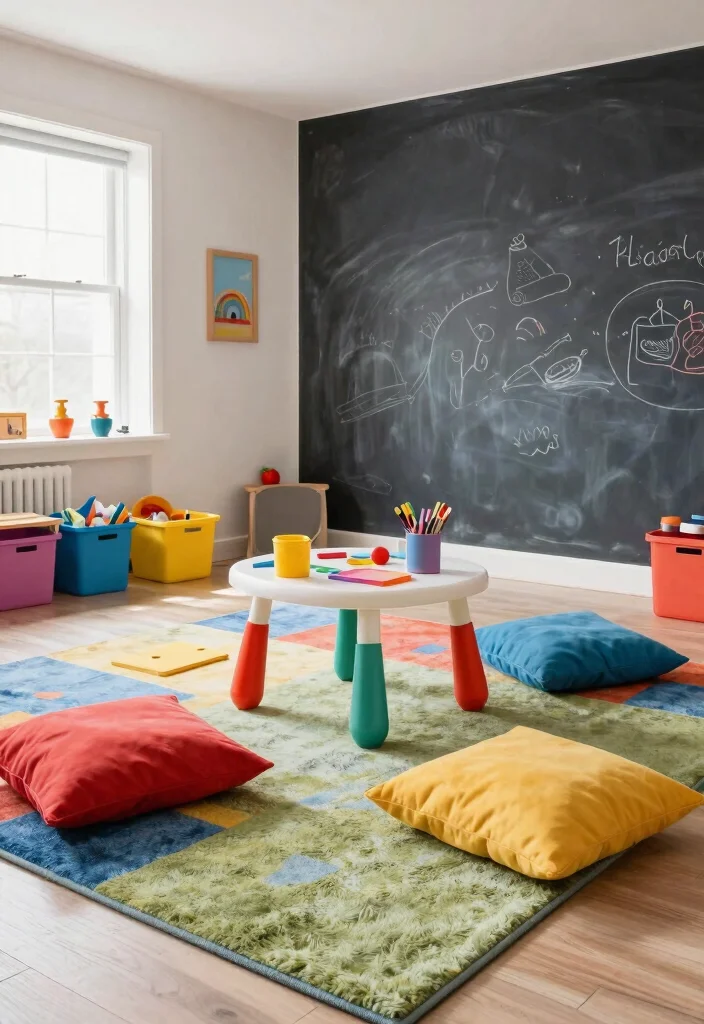
Design open-ended play areas that ignite creativity and imagination. These spaces should be flexible, accommodating various activities from building blocks to arts and crafts. Use soft furnishings, like large floor cushions, that can be rearranged easily. A small, movable table ensures the area remains adaptable for any play scenario.
For designing play areas:
– Use rugs to define a play area while keeping the rest of the room organized.
– Incorporate bins or baskets for easy clean-up, making it engaging for your child to help.
– Leave some wall space for chalkboard paint or hanging paper for spontaneous art projects.
– Ensure the play area is easily accessible and clear of obstacles to encourage free play.
This thoughtful layout fosters a sense of exploration and creativity, providing a safe haven for your child’s imagination to flourish.
Fun fact: Open-ended play areas boost imaginative play by up to 40% in small spaces. Flexible layouts let kids rearrange rugs, cushions, and a movable table, growing with them—perfect for small kids bedroom ideas that evolve over time.
Open-Ended Play Areas
Editor’s Choice


10. Adaptable Accessories
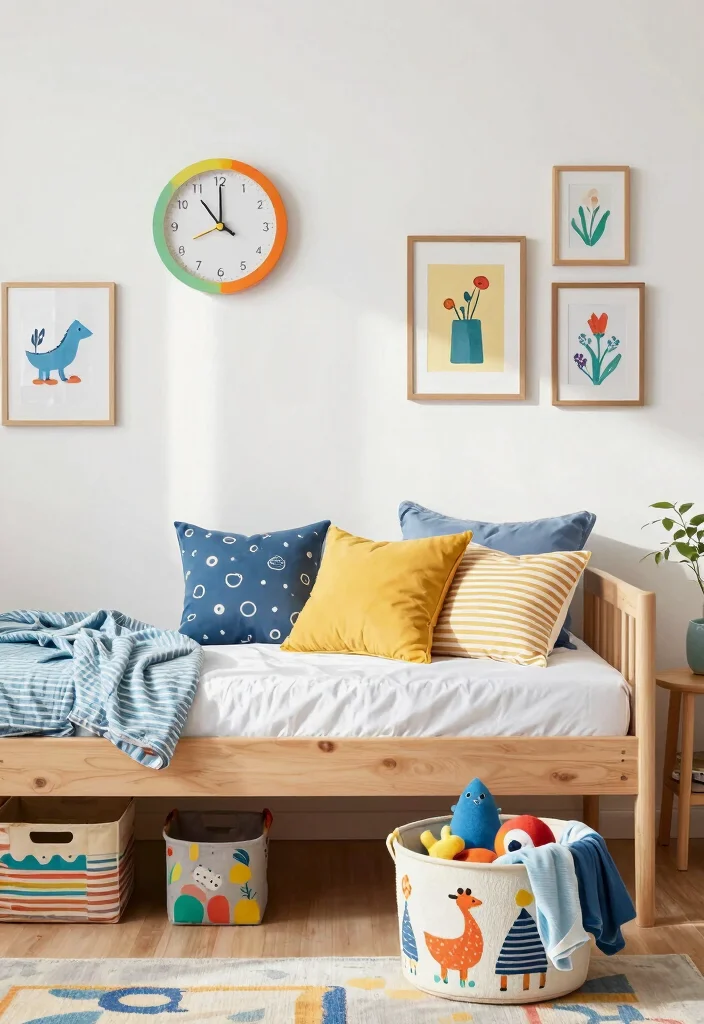
Lastly, think about adaptable accessories that can morph with your child’s changing interests and style. Items like throw pillows, wall art, and bedding can be updated easily to reflect new trends without requiring a complete room overhaul. Multi-use decor, such as a decorative basket that can serve as both toy storage and a laundry basket, ensures that style meets practicality.
Here are some ideas to keep in mind:
– Swap out decorative accents seasonally to keep the space feeling fresh.
– Look for items that can serve multiple purposes, such as colorful wall hooks that can hold bags or accessories.
– Consider themed bedding that can shift with interests, making it easy to refresh the room.
– Involve your child in selecting new accessories to make it a fun experience together.
This approach not only refreshes the space continually but also allows your child to express their evolving personality, making their room a true reflection of who they are.
Conclusion
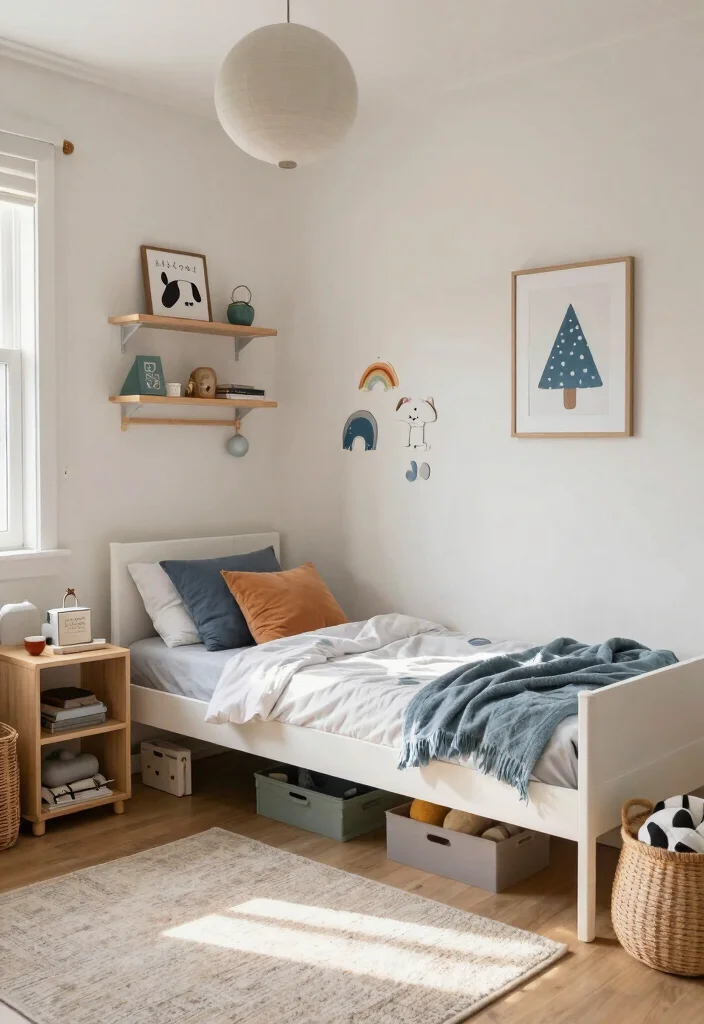
Crafting a small kids’ bedroom that grows with your child is a rewarding endeavor. It’s all about balancing fun and function, creating a space that nurtures creativity while being practical. With these ten ideas, you can transform a simple room into a magical environment tailored for your child’s personality and future needs.
Embrace the journey of designing and decorating—your child will thank you for it as their space becomes a canvas for their dreams and adventures.
Note: We aim to provide accurate product links, but some may occasionally expire or become unavailable. If this happens, please search directly on Amazon for the product or a suitable alternative.
This post contains Amazon affiliate links, meaning we may earn a small commission if you purchase through our links, at no extra cost to you.
Frequently Asked Questions
What are the best small kids bedroom ideas that grow with them?
Think adaptable foundations that can grow with your child. Start with an adjustable bed or a platform bed with built-in drawers, plus a height-adjustable desk that changes from crafts to homework as they age. Use neutral walls and let children’s room design and adaptable decor for kids color choices evolve with removable accents and swap-in decor.
For storage, choose space-saving storage solutions like under-bed drawers and vertical shelving that frees up floor space for play. Finally, keep the vibe flexible with a playful bedroom theme that can be refreshed with textiles and art rather than a full remodel.
How can I design a children’s room that adapts as my child grows?
Design a room that grows with them by starting with scalable pieces and timeless finishes. Choose furniture that can be re-purposed: a desk that becomes a vanity, a dresser that can later serve as a storage chest, and a bed that accommodates a longer lifespan. Focus on children’s room design and adaptable decor for kids so you can swap textiles, decals, and rug colors without changing big furniture. Plan for flexible layout: easy-to-move seating, open floor space, and the ability to reconfigure as hobbies shift.
Tip: select washable paints and durable fabrics so the room stays fresh as tastes change.
What space-saving storage solutions work best in a small kids bedroom?
Small spaces demand smart storage. Try under-bed space-saving storage solutions like rolling bins or drawers, wall-mounted cubes for books, and modular shelving that can grow tall as needs rise. Use vertical space: peg rails for backpacks, hooks for costumes, and a ceiling-mounted organizer to keep toys off the floor. Choose a wardrobe with shallow hanging space and internal dividers to keep clothing organized. Label bins with simple icons or pictures to help kids participate in cleanup.
Which multi-functional furniture pieces are essential in a transitional kids’ room?
For multi-functional furniture, look for pieces that earn their keep: a loft bed with a desk underneath, a seating bench with hidden storage, and a dresser that doubles as a changing station (for babies) or a storage unit when not needed. A fold-out desk or wall-mounted drop-leaf table can become a craft area or study nook without stealing floor space. Choose modular pieces that can be reconfigured as your child grows and as interests shift.
In a transitional small kids bedroom ideas approach, prioritize clean lines and durable finishes that age well.
How can I create a playful yet timeless bedroom theme that grows with them?
To keep a playful yet timeless theme, pick a color palette that lasts—soft neutrals with pops of durable, washable accents. Use playful bedroom themes through removable decals, textiles, and artwork rather than fixed wallpaper or built-ins. Invest in interchangeable textiles (bedding, curtains, rugs) so you can refresh the look as your child grows without a full remodel. Keep the base decor simple and let toys and furniture reflect personality; this makes the room adaptable decor for kids with longevity.
Remember to involve your child in choosing elements to boost ownership and make the room feel like theirs as they grow.